1. Plan the response
The crew writes a plan covering the hazards, the gear and the route for waste. Questions from the owner are welcome at this stage.
Dyer, IN · Lake County
Call (877) 812-4220 if chemical waste is leaking, spreading or stored badly at a Dyer site. Crews work to protect people, soil and drains and remove the hazard with the right equipment.
If anyone is in danger, call 911 first. For a suicide crisis, call or text 988.
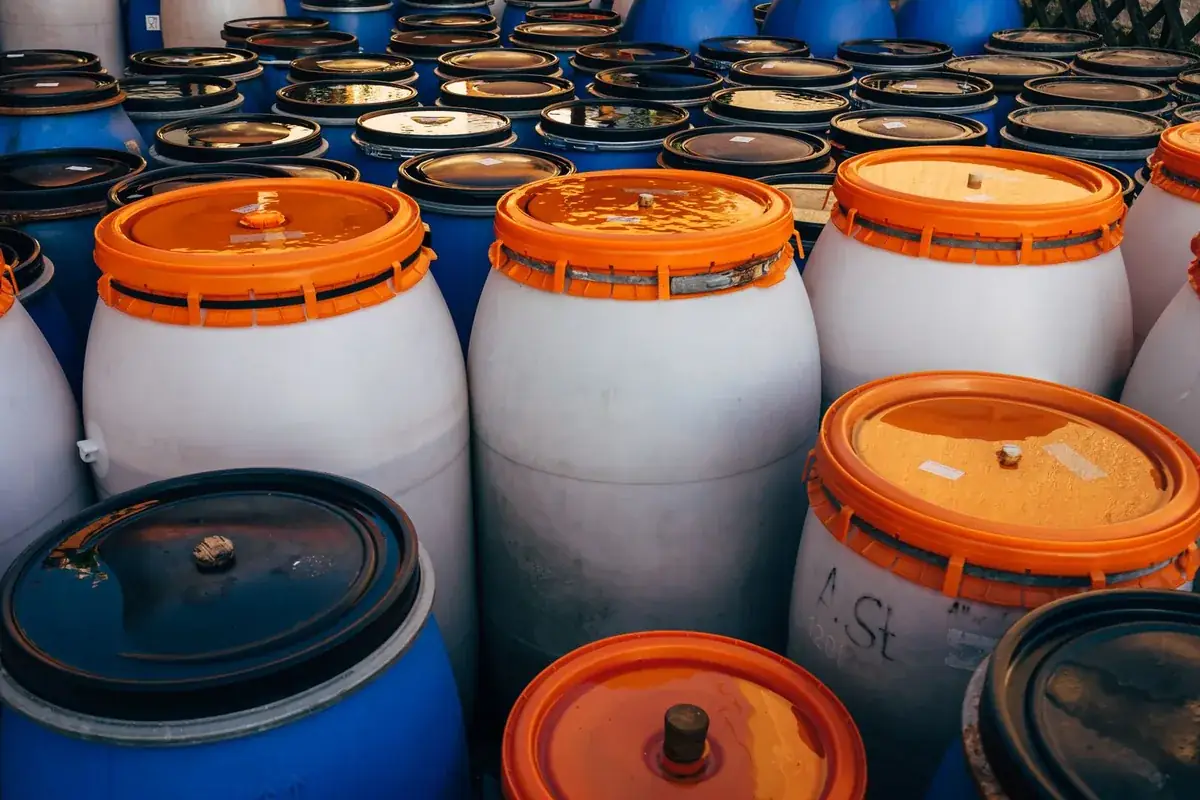
Hazardous waste removal is the process of collecting, sorting, labeling and transporting dangerous materials by the rules that apply to them. It protects people, pets, soil and water from exposure.
If harmful chemicals sit in your garage, shed, unit or yard in Dyer, call Dyer Biohazard Cleanup Help. You get a careful team that keeps the site tidy and explains how waste is hauled.
Lake County has a Relatively High river flood risk rating from FEMA, and floodwater can tip over drums and spread chemicals across yards. About 10% of homes in Lake County are vacant, and empty properties can hold abandoned containers that nobody has checked.
The work often covers:
The crew writes a plan covering the hazards, the gear and the route for waste. Questions from the owner are welcome at this stage.
Gloves, eye protection, respirators and chemical-resistant suits go on as the hazard requires. The work zone is marked and ventilation is managed.
Containers and contaminated materials come out first. Floors, shelves, walls and equipment are cleaned with products that suit the substance.
The team inspects the cleaned area and explains what was done. Waste leaves the property in labeled containers for lawful disposal.
The cost of chemical & toxic waste cleanup in Dyer, IN depends on the amount of material, how it is packed and how it is hauled.
Documentation and follow-up affect scope. Records for buyers, lenders and inspectors take time, so ask what is included when comparing a toxic waste cleanup company with others.
| Type of job | Typical range |
|---|---|
| Hazardous chemicals | $30 - $50 per barrel |
Estimates only, not a quote. Sources: Fixr. Price drivers include type of chemical, amount, packaging and transport, disposal fees. Call (877) 812-4220 to talk through the job.
Waste is sorted, labeled, packed and hauled by the rules that apply to its type. It does not go in the regular trash or down a drain. Ask the cleanup team how its waste is hauled and disposed of, and ask for records at the end.
Some products release toxic gas when combined. Bleach and ammonia are a well-known example. Never mix products to clean a spill, and leave the area if you smell fumes.
Do not open, move or smell them. Keep people and pets away and take photos from a safe distance. A cleanup team can identify the contents, sort them by hazard and set up lawful disposal.
Open a window if it is safe, leave the room and keep people and pets away. Do not vacuum or sweep mercury, since that spreads it. Call Poison Control with questions, and call a cleanup team if the spill is large.
Reporting rules depend on the substance, the amount and where it spilled. The local fire department, the health department or an attorney can say what applies. A cleanup team can explain the work and the records it can provide.
The terms overlap. Hazmat usually refers to the wider set of hazardous materials, and chemical and toxic waste describes leftover or spilled chemicals. Both call for careful handling. A local team can explain which term fits your situation.
Describe what you see by phone and the team explains the next safe step.
Call (877) 812-4220